Macomb and Oakland County
Whole-home renovation, one builder start to finish
A whole-home renovation in Metro Detroit typically runs $150,000 to $450,000-plus depending on square footage and how much gets touched, since it's really a kitchen, multiple bathrooms, and every other room's finishes happening under one roof at once. Mike Murphy is a licensed Michigan builder and an InterNACHI certified inspector, which matters most on whole-house projects, where the condition of the home behind the walls drives the real scope more than the wish list does.
Whole-home renovation
$150,000 to $450,000+
Mid-range projects on a typical 1,800-2,200 sq ft home start around $150K. Older homes needing full mechanical and electrical replacement run higher regardless of finish level.
Licensed MI builder
#242500021
InterNACHI certified inspector
#NACHI20042907
Rated on Google
5.0 stars, 5 reviews
Serving
Macomb, Oakland, N. Wayne
Recent work
What these look like when they are done.
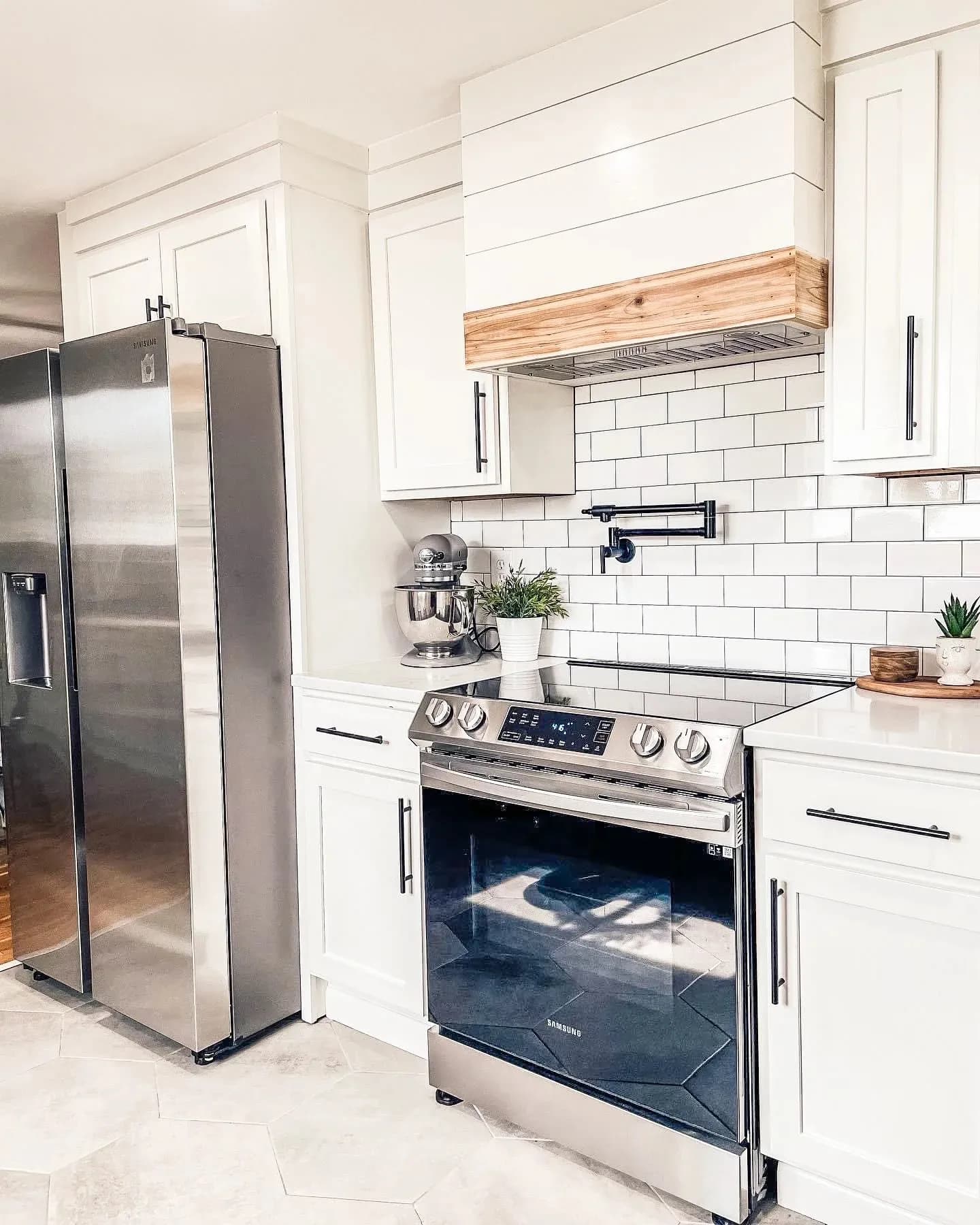
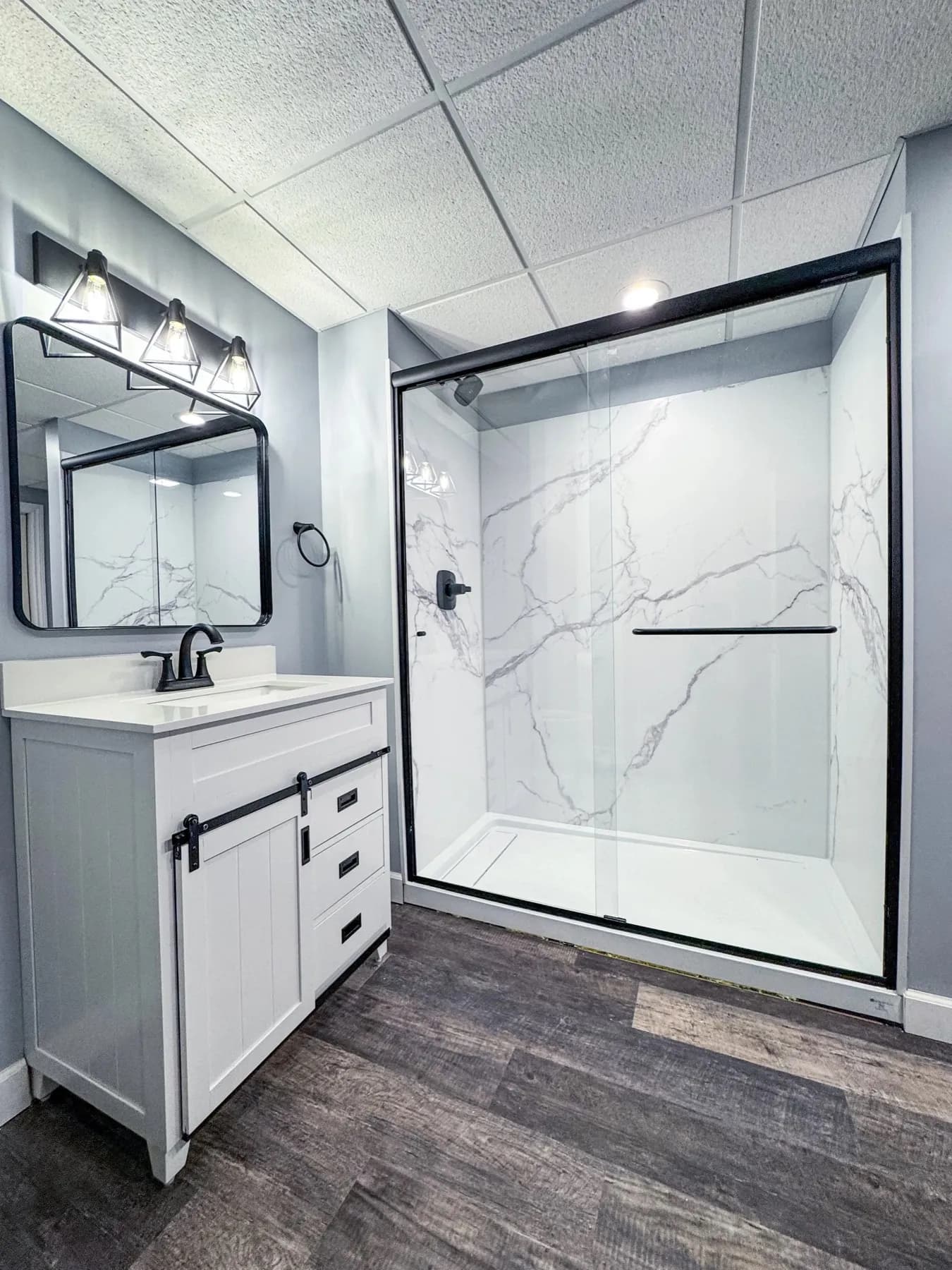
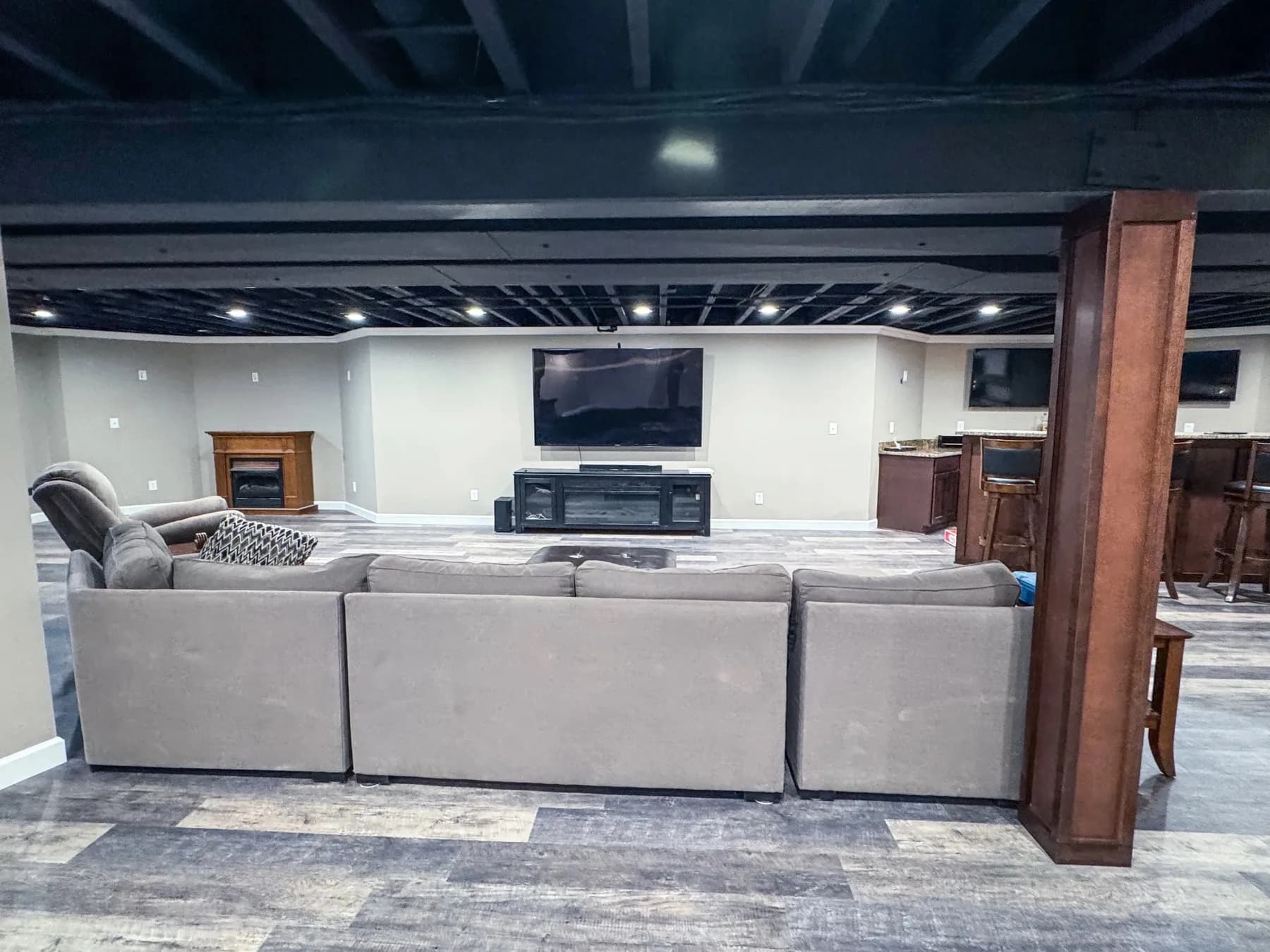
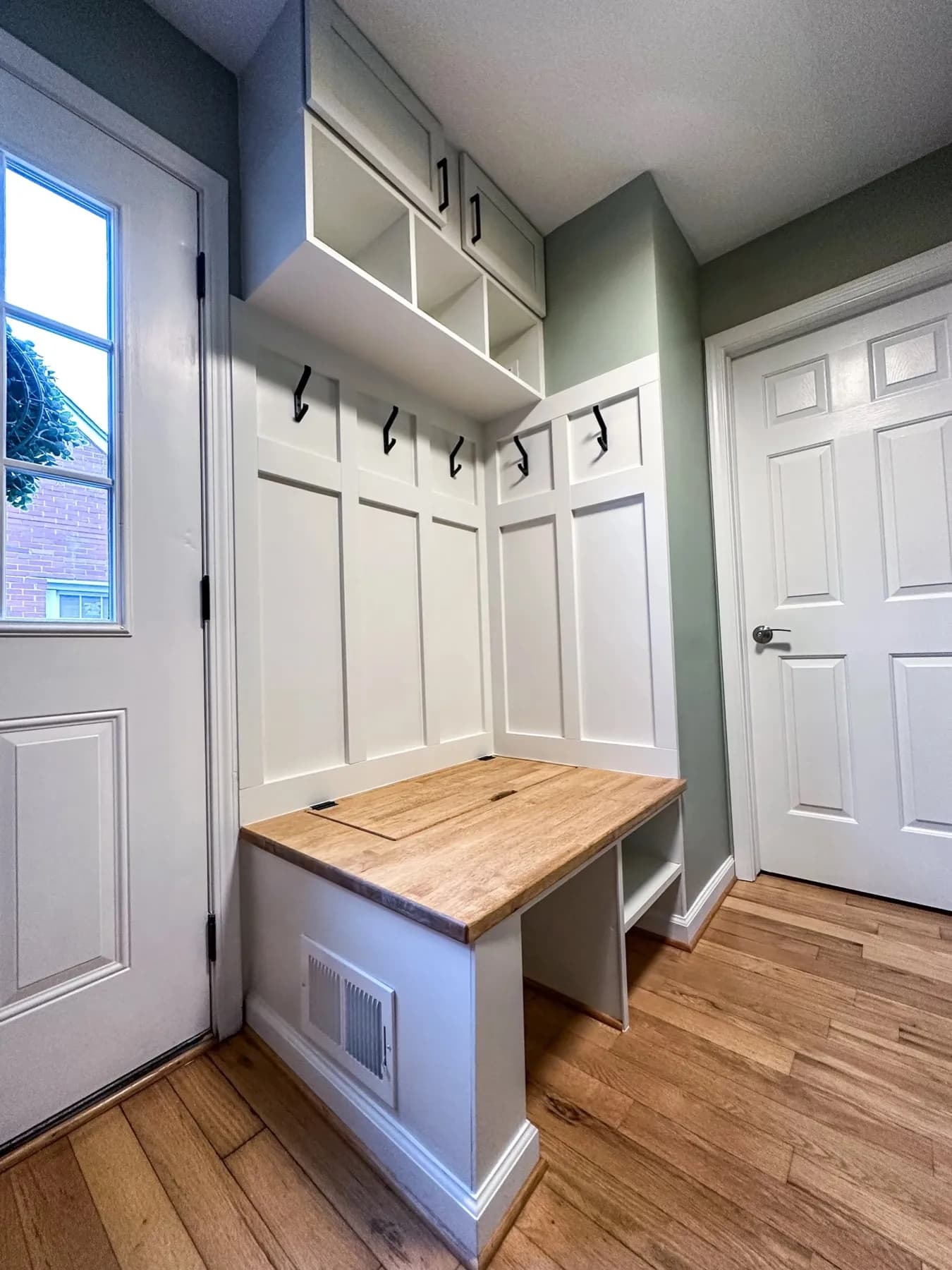
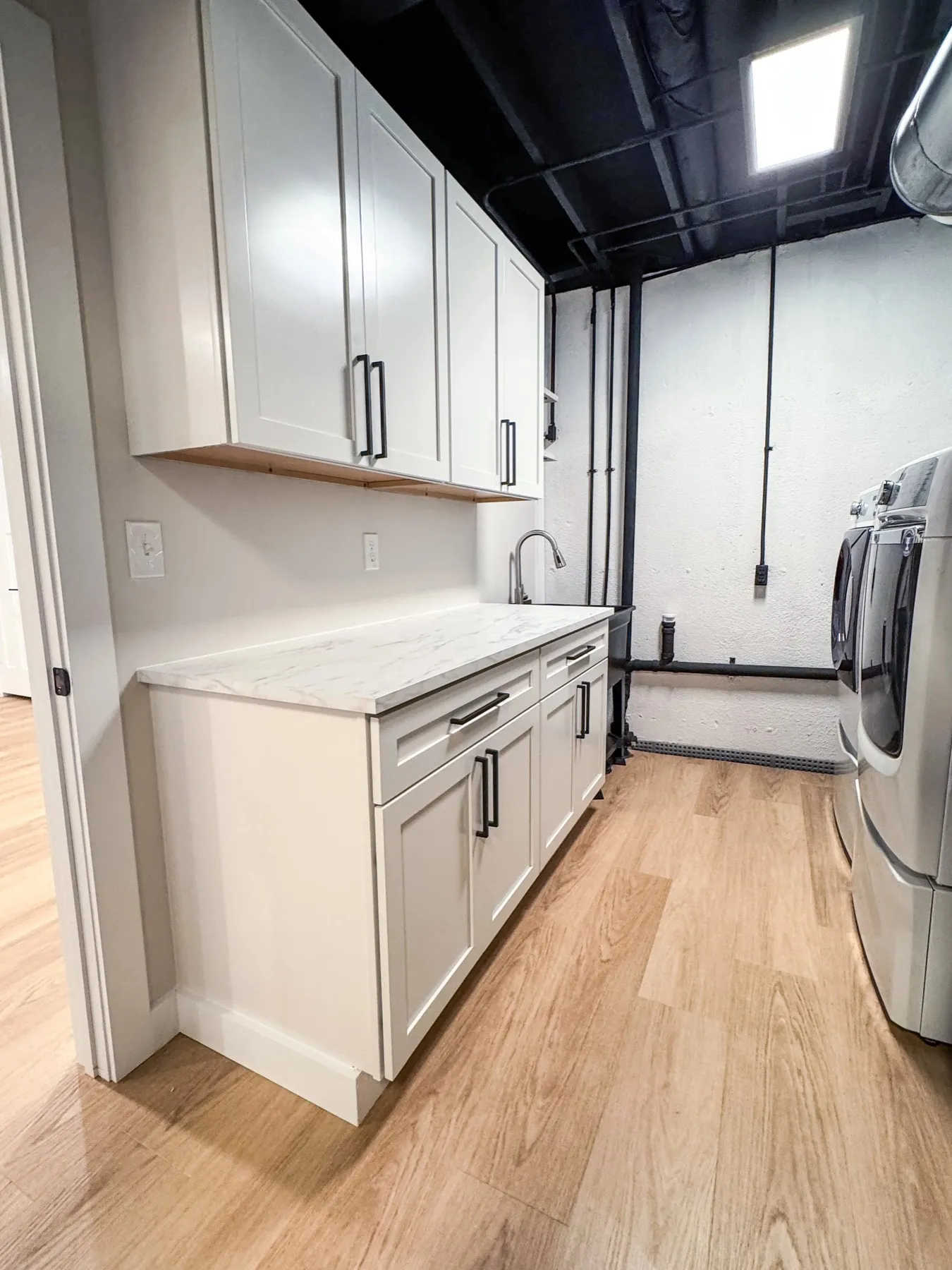
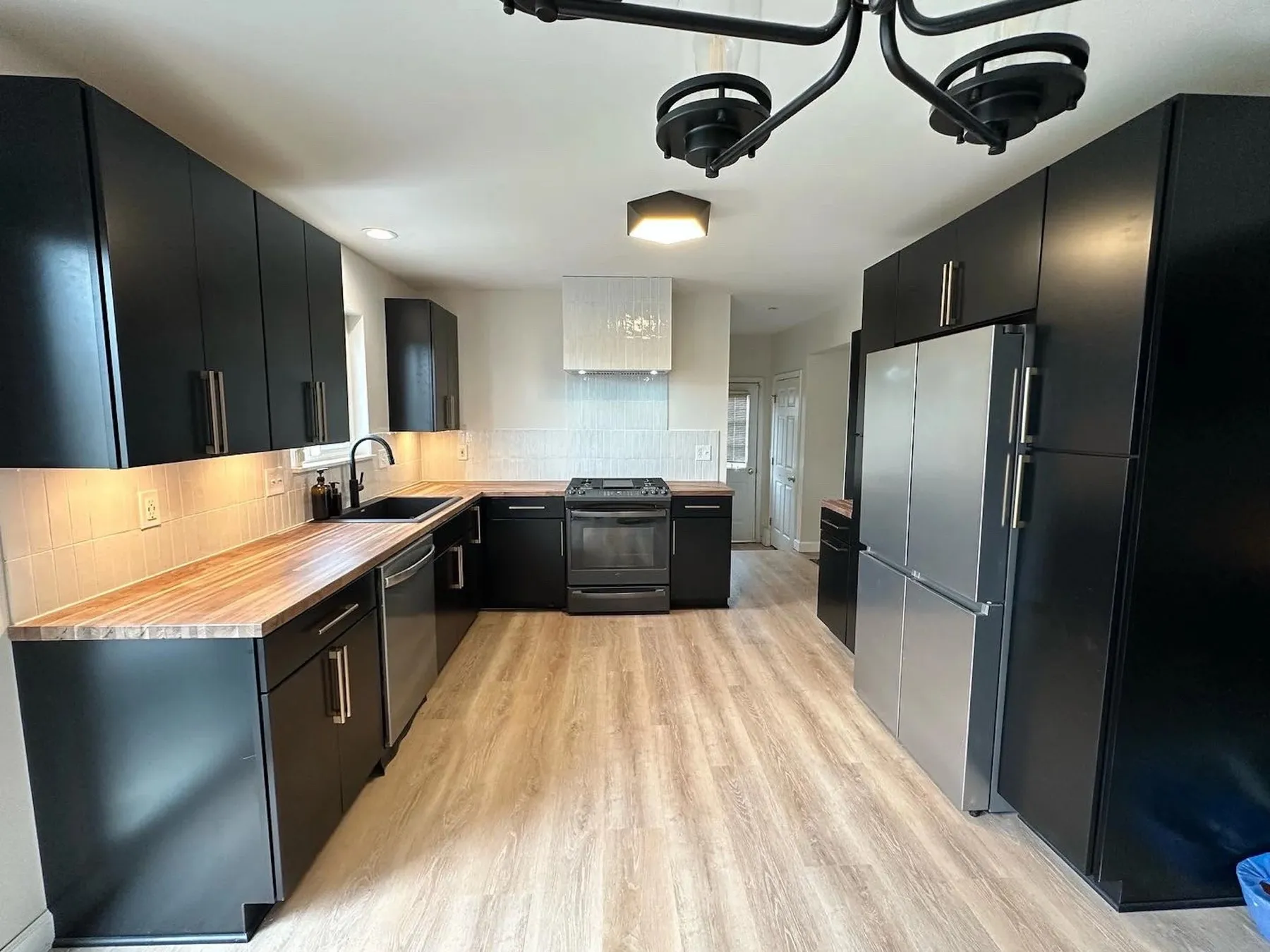
What a whole-home renovation actually involves
A whole-home renovation is different from a single-room remodel in one important way: it starts with an assessment of the entire house, not just the room you called about. That means evaluating the roof, foundation, electrical panel and wiring, plumbing supply and drain lines, HVAC system, and insulation before pricing a single finish. In Metro Detroit's older housing stock, especially the pre-war and mid-century homes common in Royal Oak, Ferndale, and Berkley, that assessment often turns up knob-and-tube wiring, undersized electrical panels, galvanized or polybutylene plumbing, and insulation levels that don't meet current code. None of that is optional to address if you're renovating the whole house, because it's what everything else gets built on top of.
From there, the project typically covers the kitchen, all bathrooms, flooring throughout, paint and trim, lighting, and often structural changes to open up floor plans that were built for a different era of living. Mechanical systems (furnace, water heater, electrical panel) frequently get upgraded as part of the scope even when they're not visibly failing, because a renovation is the one time it's cost-effective to do that work while walls are already open.
Mike's dual role matters most here. On a whole-house project, the difference between a contractor who guesses at what's behind 60-year-old plaster and one who's spent years professionally inspecting homes just like it is the difference between a fixed number you can plan around and a number that grows every few weeks.
Realistic cost ranges for 2026
A mid-range whole-home renovation (kitchen, 2 bathrooms, flooring and paint throughout, some electrical and plumbing updates, no structural changes) on a typical 1,800 to 2,200 square foot Metro Detroit home runs $150,000 to $275,000. A high-end renovation that includes structural changes, a full electrical panel and rewiring, all-new plumbing, and premium finishes throughout runs $275,000 to $450,000 or more. Homes with more square footage, more bathrooms, or older infrastructure that needs full replacement sit at the higher end regardless of finish level, because the systems work has to happen before the finishes do.
The single biggest cost variable isn't the finishes you pick, it's the condition of the house you're starting with. Two identical 1,900 square foot colonials in Rochester Hills can price $80,000 apart in total renovation cost purely based on whether the wiring and plumbing were updated in the last 20 years or never touched since the house was built.
Timeline
A mid-range whole-home renovation typically runs 4 to 7 months from permit to final walkthrough. A high-end renovation with structural changes and full mechanical replacement runs 7 to 12 months. Living in the home during a whole-house renovation is possible for lighter-scope projects but genuinely difficult once electrical and plumbing systems are being replaced house-wide, and we'll be direct with you about that trade-off during planning rather than after you've moved a kitchen into the garage.
Permits in Macomb and Oakland counties
A whole-home renovation almost always requires multiple permits: electrical, plumbing, mechanical (HVAC), and building permits for any structural work, all filed with the city or township where the home sits. Because the scope touches so many systems, we sequence the permit applications early and schedule inspections in the order the work actually happens, rather than filing everything at once and hoping the timing lines up. We manage every application and every inspection across the full project.
What commonly goes wrong, and how it gets avoided
The most common failure on whole-house projects is scope creep driven by discovery: a contractor opens a wall in month two and finds a problem that should have been priced in month zero. That's the entire reason the inspection-first approach matters most on this exact project type. Before we finalize a whole-home scope, Mike walks the house the way he'd walk it for a client's pre-purchase inspection: attic, crawlspace or basement, panel, water heater, and roof. What that walkthrough finds gets priced into the estimate, not discovered as a change order in week six.
The second common problem is coordination failure between trades on a project this large: electricians, plumbers, HVAC techs, and finish carpenters all need to be sequenced correctly or work gets redone. Running one crew under one builder who is on site, rather than a rotating cast of subcontracted project managers, is the direct fix for that.
What's included, what's not
Included: full-house assessment, all trade coordination (electrical, plumbing, HVAC, framing, drywall, flooring, paint), permit management, and a single point of accountability for the entire project. Not included by default: furniture and decor, landscaping, and any environmental remediation (asbestos, lead paint abatement) if the home's age requires it, which we test for up front on any pre-1978 home and price as a distinct line item, since it has to be handled by a certified remediation contractor before renovation work can proceed in that area.
Whole-Home Renovation questions we get
How much does it cost to renovate an entire house in Michigan?
In Metro Detroit, a mid-range whole-home renovation runs $150,000 to $275,000 for a typical 1,800 to 2,200 square foot home. A high-end renovation with structural changes and full system replacement runs $275,000 to $450,000 or more. The condition of the home's existing electrical, plumbing, and structure affects the number more than the finish level does.
Should I renovate my whole house at once or room by room?
Renovating the whole house at once is more efficient if the mechanical systems (electrical, plumbing, HVAC) need updating anyway, because you only open the walls once. Room-by-room makes more sense if the systems are sound and you're mainly updating finishes on a budget that has to be spread over time. We'll give you an honest read on which situation your home is in during the initial walkthrough.
Can I live in my house during a whole-home renovation?
For a lighter-scope renovation (cosmetic updates, one bathroom at a time, no whole-house electrical or plumbing work) yes, generally. For a full renovation that replaces house-wide systems, it's genuinely difficult, since water and power get shut off in sections for days at a time. We walk through what to expect for your specific scope before you commit, so there are no surprises about where you'll be sleeping in month three.
What should I renovate first in an old house?
Systems before finishes, every time. Electrical panel and wiring, plumbing supply and drain lines, roof, and foundation should all be evaluated and addressed before new cabinets or flooring go in, because redoing finishes after a systems failure costs more than doing it right the first time. This is exactly where Mike's inspector background changes the order of operations on a project.
How long does a full house renovation take?
4 to 7 months for a mid-range whole-home renovation, 7 to 12 months for a high-end renovation with structural work and full mechanical replacement. Older homes with more hidden issues tend to run toward the longer end once those issues get addressed properly instead of patched over.
Do older homes in Royal Oak or Ferndale need extra work compared to newer homes?
Usually, yes. Pre-war and mid-century homes in that part of Oakland County commonly have knob-and-tube wiring, undersized panels, and older plumbing that a newer Sterling Heights or Shelby Township home wouldn't. It's not a reason to avoid renovating an older home, it's a reason to have someone assess it accurately before pricing the job, which is the exact gap an inspector-builder fills.
Also worth reading
The rest of what we do.
Where we work
Cities we cover most.
Want a real number on your whole-home renovation?
Mike walks the space, looks behind it, and writes you a scope with the line items visible. Free, and there is no sales sequence after.